How to Teach English in Japan: Live in Japan as an English Teacher!
In some cases, we earn commissions from affiliate links in our posts.

Are you dreaming of moving to Japan? Have you ever thought of teaching English in Japan?
There are many opportunities waiting in the Land of the Rising Sun, but in order to stay longer than a quick vacation, you will need a working plan.
Becoming an English teacher in Japan is a great option and is usually the easiest way for a foreigner to land a job. You may have heard about or even know someone who has taught overseas- it is a popular path for a reason!
Just know that there are some steps you’ll need to take when deciding if the life of an expat teacher is right for you.
This article is the first in our Teaching English in Japan series and will explore the basic knowledge and requirements you will need in order to begin your teaching adventure.
Read on to take your first exciting step towards Teaching English in Japan
————————————————————————————————-
Table of Contents
English Teachers in Japan are in High Demand!

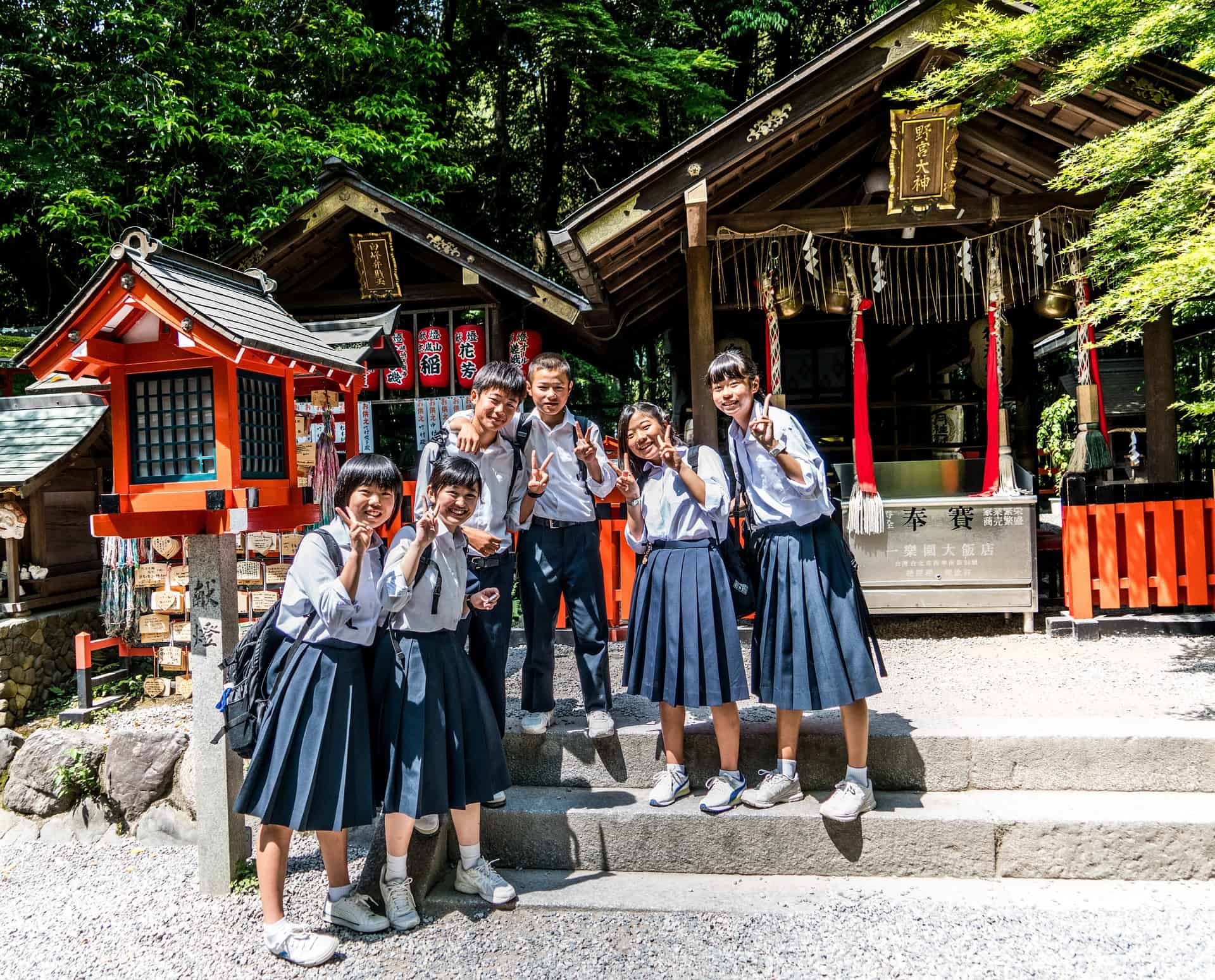
English is part of the core curriculum taught in Japanese schools and is required nationally from the third grade through high school. However, many schools know the value of this language of international business and offer English programs to children and adults alike in order to give their students a global advantage.
Read more about the prevalence of English in Japan in Do They Have English Signs in Japan? Enjoy Japanglish!
Having already been making its way across the country, the widespread usage of English across Japan has been further accelerated by Japan’s preparations for the 2020 Olympics. With the expected increase in tourism, higher demand for English speakers in the workplace, and the required English curriculum in schools, there has been a constantly increasing demand for native English teachers in Japan.
A survey by Oricon revealed that only 1.7% of Japanese people consider their English to be at an advanced level. This lack of local confidence paired with the fact that only 2% of Japan’s largely homogenous population comes from overseas means that there is a clear dearth of English speakers in Japan. In order to meet the need for teachers, the Japanese government has created programs and visa paths for native speakers to move to Japan in order to teach English.
What You Need to Become an English Teacher in Japan

With plentiful positions available and high demand for teachers, the road is open for you to follow your dreams and become an English teacher in Japan!
But before you buy your ticket- know that there are things to consider with every job, especially if you are hoping to do paid work. Each position will have its own specific requirements, but there are several core factors that you will be expected to have in order for you to be hired.
To check your eligibility, here are the things you will need to consider in order to teach English in Japan.
Native or Non-native English speaker?
While being a native English speaker gives teachers-to-be a big advantage, hope is not lost for those who learned English as a second language. There are jobs available in Japan for non-native speakers who can prove their English ability.
Many jobs will specify if they require native speakers or are open to those who can prove English at a higher level. So if English is not your first language, consider taking an official English test such as the TEOFL Test to earn a certificate that proves your speaking skills to potential employers.

Do I need a Degree to Teach English in Japan?
Volunteer positions and various jobs on the Working Holiday Visa may not require anything, but if you are aiming to teach English formally, you will most likely need a degree. Japan’s immigration laws state that incoming English teachers must have a Bachelor’s degree from an accredited 4-year university (3-years in the UK).
The good news is that it doesn’t matter what your degree is in! While individual jobs may be pickier, there are no requirements on the immigration side of things for having a certain major or type of degree. Math, science, bongo drums- you name it! Any Bachelor’s degree from an accredited institution will qualify you to teach English in Japan.
And if you don’t have a degree, you may still have some options.
Do I Need English Teaching Credentials to Get Hired in Japan?
TEFL, TESL, TESOL, CELTA, DELTA- oh my! There are many teaching certificates that a potential English teacher can add to their resume. If you haven’t taken a teaching training course- relax! Many entry-level teaching jobs in Japan will not require a teaching certificate. In fact, many English teaching companies will train you at orientation on arrival!
However, showing a certificate from a teaching organization proves your tenacity and shows that you have both the skills necessary and the desire to teach. It will certainly give your resume a boost and make your resume more impressive for potential employers! Consider doing your training online through programs like the International TEFL Academy or TeachAway.
Keep in mind that if you are aiming for higher-level positions (such as teaching at universities or specializing in Business English), you should expect your interviewer to inquire about your teaching certificate.
Do I need a Visa For Teaching English in Japan?
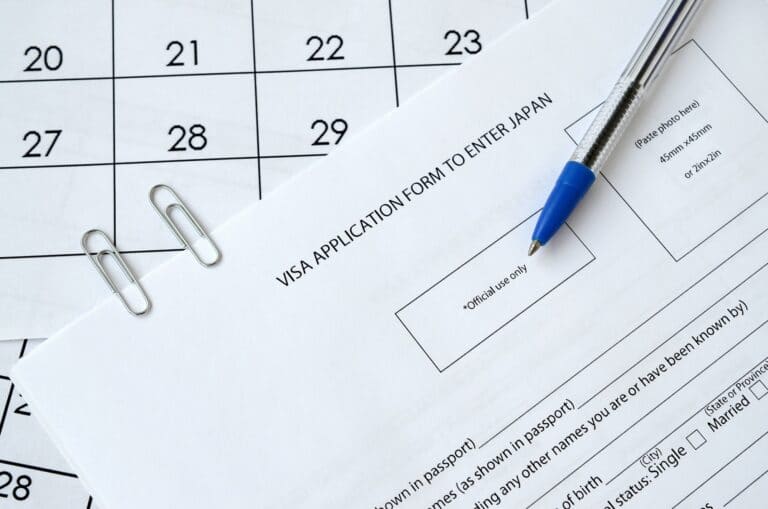
Depending on if you want to do paid work or spend time volunteering, your visa requirements will vary. Citizens from some countries can enter Japan as part of a Visa Exemption Agreement, while others can take advantage of Japan’s Working Holiday Visa Program. Those who want to do paid work and do not qualify for the Working Holiday Visa will likely need to apply for a work visa.
Immigration and visas are a complex but important aspect of moving abroad, so be sure to explore your options in Working in Japan: What Visa Do I Need? [Coming soon!]
Getting a Japanese Sponsor?
The visas granting work and long-term stay permissions all have varying requirements, but if you are hoping to teach with one of these visas, you will almost definitely need a Japanese sponsor.
Your Japanese sponsor is the person or entity that will get you your visa-required Certificate of Eligibility (CEO). A CEO is a separate application and document that must be completed at a Japanese immigration office within the country and can only be done by a sponsor on your behalf.
If you are going to Japan through a program (such as a company or school), they will be considered as your sponsor. Having a company or representative group in Japan is a huge help, as it means that you will not only have assistance with the visa application steps but also with registering and any additional paperwork you’ll need to do once you are in Japan. With such a big and exciting process, it makes a huge difference to have someone in-country to help you along the way!
————————————————————————————————-
You’ve gone down the list and you think you have what it takes? Omedetou! Congrats! While you must keep in mind that every job has unique requirements and having the above qualifications does not guarantee being hired, if you’ve read through everything and feel secure in your eligibility then you are in a very good position!
This article is just the takeoff on your journey into teaching English in Japan. If you are ready to continue the adventure, take the next step into English teaching by learning about the application process.
> How to Teach English in Japan: Applying for English Teaching Jobs [Coming soon!] <
Good luck and happy teaching!